SS: Well, clearly Georgia Organics is a great resource for connecting farmers and chefs. I think it is important to have conversations with the farmers and establish a relationship. Tell them about your needs for your business. Expectations can go a long way and can drive an economic system if they are clearly communicated.
SR: Work in a kitchen with a chef and owner that really care about sourcing quality food. Visit your local farmers market and introduce yourself to the Farmer/Owner. Foster that relationship and most importantly buy from them. Volunteer to work a day at the farm. Understand the passion and labor that go into the food. Local food is better, because fresher is better. Find the freshest _______, and you will have the tastiest version of that on your menu for your family, friends, and neighbors to enjoy.
LC: What is your favorite thing to source from within Georgia and why?
CW: Heirloom Rouge de Bordeaux wheat from Nathan and Murray Brett at Dayspring Farms, any fruit that our buddy Russell Brydson grows at Narrow Way Farm.
SS: I’m constantly amazed by the seasonal produce in our state. We have so many options to work with and the biodiversity is continuing to broaden. I just get really excited when new things come into season and you get to feature them on the menu.
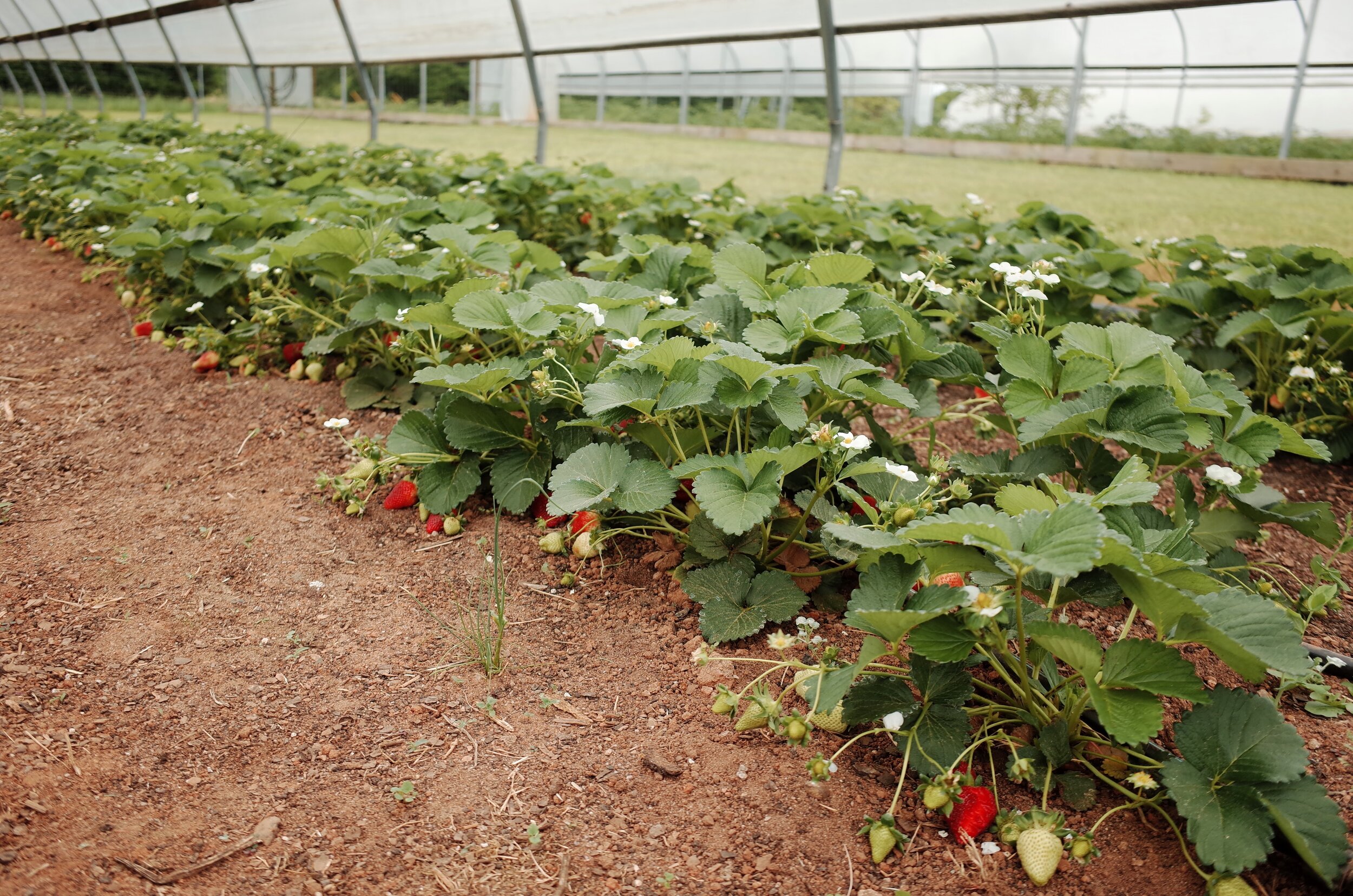
SR: Every year I look forward to the seasons. Within each season there are two moments: first when that fruit or vegetable first hits the market and second, when it’s at its juiciest, sweetest, and ripest. I certainly have some favorites: Strawberries, English Peas, Peaches, Tomatoes … If I had to pick one, I Iook forward to for 9 months that first Flavorich Peach of the year in mid/late May, It’s delicious and I have to fight the stone for every last juicy bit. I enjoy more than my fair share. Then a month later the Freestone peaches arrive. One of the most enjoyable moments of the year is when I bite into that “Ruby Prince” (insert whatever variety YOU like) and the juices are running down your arm and you literally need a shower after eating a peach.
LC: Put simply, why do you do this type of sourcing?
CW: Talking to a farmer is more fun than talking to a sales rep.
SS: It is very rewarding to know your growers. Anyone can place an order on a purveyor’s voicemail or website and receive cases of food with unexpected origins, but when you order from your farmer, you know exactly what you’re getting, when it was harvested, and you probably get a chance to have a nice chat while they are delivering. Knowing where your food comes from and having traceability can earn your customer’s respect and repeat business. It is comforting for a diner to learn that we can rattle off every farm that is on the plate without hesitation.
SR: When you boil it all down we are a neighborhood restaurant. We are here to feed and nourish our family, friends and neighbors. We do it because our family eats at the Wrecking Bar. We do it because it food is medicine. We do it because it seems like the right thing to do.
LC: For folks who don’t know the process, in order to be able to join the Farmer Champion campaign, Georgia Organics worked with you to look at your weekly invoices and did some basic math to figure out what percentage of your total food costs go towards spending with local and Organic farmers within Georgia.
We won’t talk about that percentage (it was high!) but did the numbers surprise you? Why or why not? How about going through the process?
CW: The percentage didn’t surprise us, necessarily. While we’ve never specifically thought about our local or organic sourcing as a percentage of our spending, our sourcing is a direct expression of what we value as a business – we’ve always put the highest value on local, organic farmers. Going through the process was easier than we thought it would be, and we saw the incredible value of the program. It’s one thing to say “LOCAL, ORGANIC”, it’s another entirely to spend the money and make sure that those words don’t become buzzwords. Simply put, we’re the types of folks who believe that if you say you source locally, organically, etc. make sure you can show your work, so to speak.
SS: Unless you do a data analysis, you don’t really know exactly what your ratio is of Georgia products vs other origins, but I knew we would score relatively high. Seeing the numbers validates the choices we are making and we feel great knowing we supported a local food system that boosts our economy.
SR: The number surprised me twice. At first because the percentage was lower than I thought it would be. We work so hard to source as many things locally as possible and even with of all of this careful selection there are many logistical and financial hurdles. Big food does not make it easy on little-local-organic food. They are literally trying to put us out of business every day.
Then I started looking at the number in dollars instead of percentages. At that moment I was again extremely proud of the amount of money we were spending locally. Our investment in our local food community pays off every day.
LC: As a Farmer Champion chef/baker, you work very closely with farmers. Have you ever grown anything yourself and if you could be a farmer what would you grow?
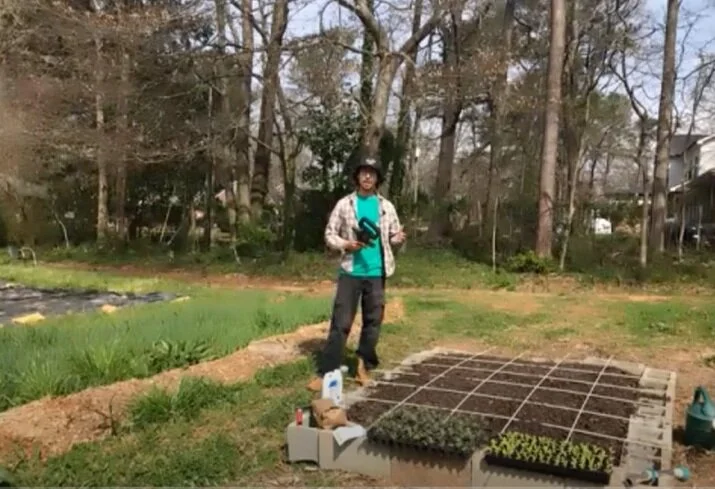
CW: Nicole and I have a sometimes sad, scrappy, Italian Nonna garden. Tomatoes, Green Beans, Basil. Eggplant if we’re feeling ambitious. I suppose if I were a farmer, I’d grow Moro oranges, Femminello lemons, pistachios, olives, and capers. Grapes for Nicole.
SS: I’ve never dedicated time to try to grow anything but it is a goal of mine whenever I retire.