Alice Waters Visit Highlights Farm-to-School Momentum in Georgia

Alice Waters and Alice Rolls after the Edible Schoolyard Project lunch at the Georgia Organics 2020 Conference & Expo.

Alice Waters and Alice Rolls after the Edible Schoolyard Project lunch at the Georgia Organics 2020 Conference & Expo.

Story by Corinne Kocher and photos by Bailey Garrot of Shared Plates.

Georgia's reputation as a farm-to-school leader was on full display during Alice Waters' Edible Schoolyard Project lunch at the Georgia Organics Conference on Feb. 8.

While Alice Waters may be most well-known as chef and owner of Chez Panisse, she was a Montessori teacher before she started the restaurant. This background informs her work today with the Edible Schoolyard Project, a nonprofit she founded in 1995. The ESP supports a network of more than 7,000 schools that have a garden, kitchen classroom, farm to school lunch program, or curriculum that involves ecology, sustainability, and building community.

The Edible Schoolyard started in a Berkeley middle school before expanding outreach across the country.

"It began not as a cooking or gardening class," said Waters. "It happens to use a garden and a kitchen to teach academic subjects." The garden and the kitchen, Waters said, are for everything from science and medicine to art, language, or history.

Chef, author, and food activist Alice Waters, founder of the Edible Schoolyard Project lunch.

Chef, author, and food activist Alice Waters, founder of the Edible Schoolyard Project lunch.

Waters champions the Montessori idea that "our senses are the pathways into our minds" by incorporating learning-by-doing pedagogy into the Edible Schoolyard Project. 

"I really believe that our children in this country are sensorily deprived. I mean many because of hunger and poverty, but all of them because of this fast food indoctrination," said Waters.

Edible education, according to Waters, has traction because it encourages children to engage with their senses.

For Waters, this edible education is also fundamentally tied to the idea of school supported agriculture.

"You can buy directly from the farmers who are taking care of their land and their farm workers" and bring it into the classroom, added Waters. 

To showcase the potential of a school supported agriculture lunch, Waters has toured Edible Schoolyard demonstrations around the country, including a student-style lunch at the February 9th Georgia Organics Conference & Expo. The 650-person lunch, sourced entirely from within 150 miles except for the salt and pepper, powerfully displayed the strong relationship between schools and farms in the state.

Kimberly Della Donna, Farm to School Director for Georgia Organics, said that it was Chefarmer Matthew Raiford, a Georgia Organics board member, and Alice Waters who proposed bringing the Edible Schoolyard Project to Georgia. "They were very excited about the possibility of having this lunch at our conference because they thought that this might be a receptive audience to the vision that Edible Schoolyard has for school nutrition," Della Donna said.

Approximately 1.1 million school lunches are served every day in Georgia. According to the Georgia Farm to School Alliance annual report, in 2018, more than 50 percent of public school districts in Georgia reported buying local or Georgia Grown food items, adding at least $24 million in local purchases to the state economy. 

Dr. Linette Dodson, Georgia's State Director of School Nutrition, credits some of Georgia's farm to school success to the collaboration between the Georgia Department of Education and local school districts, with the support of State Superintendent Richard Woods. "We're really fortunate in Georgia; we have a lot of very qualified local directors that are doing some really innovative things," Dodson said. "They have a strong focus on incorporating local agriculture and locally sourced foods into our program."

"I think the evolution of school nutrition in Georgia is continuing to set the standard as far as leadership," said Dodson. "There's a lot of foundational pieces [of national school nutrition] that actually came out of Georgia."

Lunch menus showed attendees the Georgia farms where ingredients were sourced. Courtesy of the Edible Schoolyard Project.

Lunch menus showed attendees the Georgia farms where ingredients were sourced. Courtesy of the Edible Schoolyard Project.

School nutrition programs also partner with multiple collaborative state agencies like the Department of Agriculture, UGA extension, DECAL, and the Department of Public Health, as well as non-profit associations like Children’s Healthcare of Atlanta, Dairy Alliance, and Georgia Organics.

After creating Georgia’s first farm to school program in 2007, Georgia Organics has expanded advocacy and training across the state. Currently, Georgia Organics works with school districts, early care centers, state-wide partners, and agencies to grow farm to school at the grassroots and “grasstops” level. Georgia Organics' programs are designed to remove barriers for farm to school, with information and support on certifications, trainings, and food safety regulations. The annual Golden Radish awards are designed to showcase the schools leading by example and putting their money where their mouth is.

According to Matthew Raiford, farm and school relationships benefit one overlooked group in particular: small farmers. In his work with Georgia Organics, Raiford trains cafeteria workers and nutrition professionals, but he also spends time with farmers looking to extend the seasons to provide more local food, year-round. 

"Farm to school gives small farmers an opportunity to see an important revenue stream that has been overlooked for decades," Raiford said.

In addition, Georgia's farm to school focus makes a lasting impact on students. "We are the only state in the nation that has a focus on an academic nutrition program," added Dodson. Classrooms are used to educate students in the cafeteria, with a curriculum that links academic subjects to school gardens and healthy, delicious food.

"I always say that it's, kind of, six weeks to kale," Waters said, laughing. "But seriously, I feel like all of these kids who had three years at the Edible Schoolyard in Berkeley, that they will forever be mindful of the environment and will be able to nourish themselves really well."

Because a school lunch brings children together in a different way, said Waters, kids are quick to understand the value in an edible education. "They get it through osmosis, a kind of camaraderie and sharing of a meal. They take it home to their parents too."

For Raiford, Georgia's robust farm to school program was one of the reasons he wanted to bring Waters to Georgia. "Our farm to school program that has been spearheaded with Georgia Organics and Georgia Grown is one of the most amazing programs I've seen—and it can be very easily modeled in other states," he said.

Chefarmer Matthew Raiford and Georgia Organics President & CEO Alice Rolls.

Chefarmer Matthew Raiford and Georgia Organics President & CEO Alice Rolls.

This connection between students and farmers is something Waters wants to champion across the country. Waters mentioned the work she's seen President Jimmy Carter do with Habitat for Humanity, and advocates for activists to come together with the sense of a barn raising—or rather, a "school raising."

"We need to win over that next generation, and that means doing this farm to school work in the public schools," said Waters. "I think it's the perfect relationship to have with schoolchildren and farms."

Corinne Kocher and Bailey Garrot are the writer-photographer team behind Shared Plates, a blog exploring food in the world and how it gets to the table. Read all of their work at www.shared-plates.com and follow them on Instagram @sharedplatesatl.

Farm to Early Care and Education Learning Collaborative Kicks Off New Year in Macon

2020-2021 learning collaborative sites join with mentor sites, education leaders, and partner organizations to chart a healthy course forward.

2020 Farm to ECE Kickoff Group Photo Edit.jpg

By Nichole Fields, Georgia Organics Farm to School Assistant

In January, the second cohort of the Georgia Farm to Early Care and Education Learning Collaborative came together in Macon for a weekend of learning and action planning. The 2020-2021 Learning Collaborative consists of 12 early child education providers participating for the first time, as well as three providers from the inaugural cohort returning as mentor sites. All of these sites will receive mini grants, educational materials, and technical assistance to help them incorporate more healthy food into meals and activities at their sites.

The Learning Collaborative was created in 2017 with support from the W. K. Kellogg Foundation. The multi-year initiative was created collaboratively by the following partner organizations: Georgia Organics, Little Ones Learning Center, Quality Care for Children (QCC), The Common Market, and Voices for Georgia’s Children . The goal of the Learning Collaborative is to provide a proof of concept for Farm to Early Care and Education (Farm to ECE) models featuring hands-on education in nutrition, cooking, gardening and promotion of local foods. The 2017 Learning Collaborative included 18 early care sites from metro Atlanta and south Georgia.

With renewed funding from the W.K. Kellogg Foundation, the above partners selected the 12 new providers to participate in the Learning Collaborative from 276 total applicants.

“We had so many deserving early learning programs apply for the Learning Collaborative,” Abbie Chaddick, the Farm to ECE Partnership Coordinator, shared. “Ultimately, we selected sites that serve high need populations, utilize the federally funded Child and Adult Care Food Program, and were passionate about improving access to healthy, local foods for the families they serve.”

The new Learning Collaborative participants represent the diverse ways that childcare is provided in Georgia with a mix of Family Child Care Learning Homes, Child Care Learning Centers, Head Start, and programs offering Georgia pre-k. The group is also geographically diverse with sites located in northeast Georgia, metro Atlanta, middle Georgia, and south Georgia, including Macon, Waycross, Valdosta, and Colquitt. The three returning sites from the inaugural cohort were selected to serve as mentors to the new Learning Collaborative participants while continuing to receive support from the partners to grow their farm to ECE programs.

The Learning Collaborative kick-off weekend included two full days of training and networking. Staff from the partner organizations facilitated discussions and Farm to ECE demonstrations, advised planning sessions, and equipped participants with resources to grow and sustain their respective Farm to ECE programs. Learning session topics included menu planning, procurement, gardening with young children, and family and community engagement, providing attendees with a plethora of actionable ideas to inform their Farm to ECE planning.

Lamonika Jones, Procurement Specialist At The Department Of Early Care And Learning providing an introduction to procuring local produce.

Lamonika Jones, Procurement Specialist At The Department Of Early Care And Learning providing an introduction to procuring local produce.

The weekend began with an interactive and thought-provoking presentation by Danny Shoy, President & CEO of the East Lake Foundation. Shoy spoke to attendees about the importance of approaching their work in a way that strives towards equity for the children and families they serve. Attendees participated in an ongoing dialogue around racial equity, highlighting that equity does not simply mean treating everyone the same, but understanding that in order to best serve Georgia’s children we must acknowledge what barriers they face individually and what support they need to be successful. The W.K. Kellogg Foundation’s ongoing commitment to racial equity is a driving force for their support of Farm to ECE work. Throughout the 2020-2021 program year, Learning Collaborative partner organizations will continue to encourage cohort members to approach their work through the lens of racial equity.

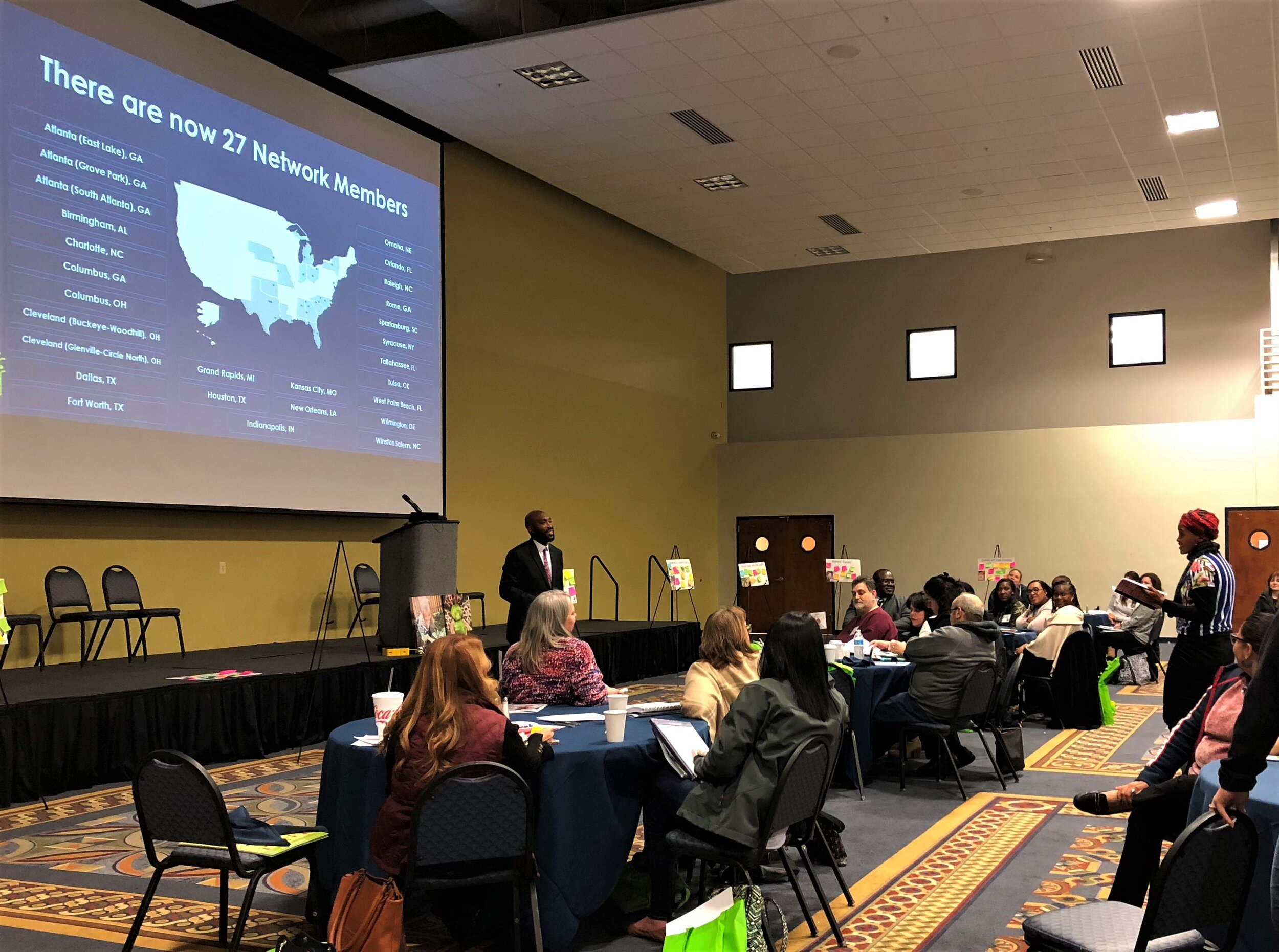
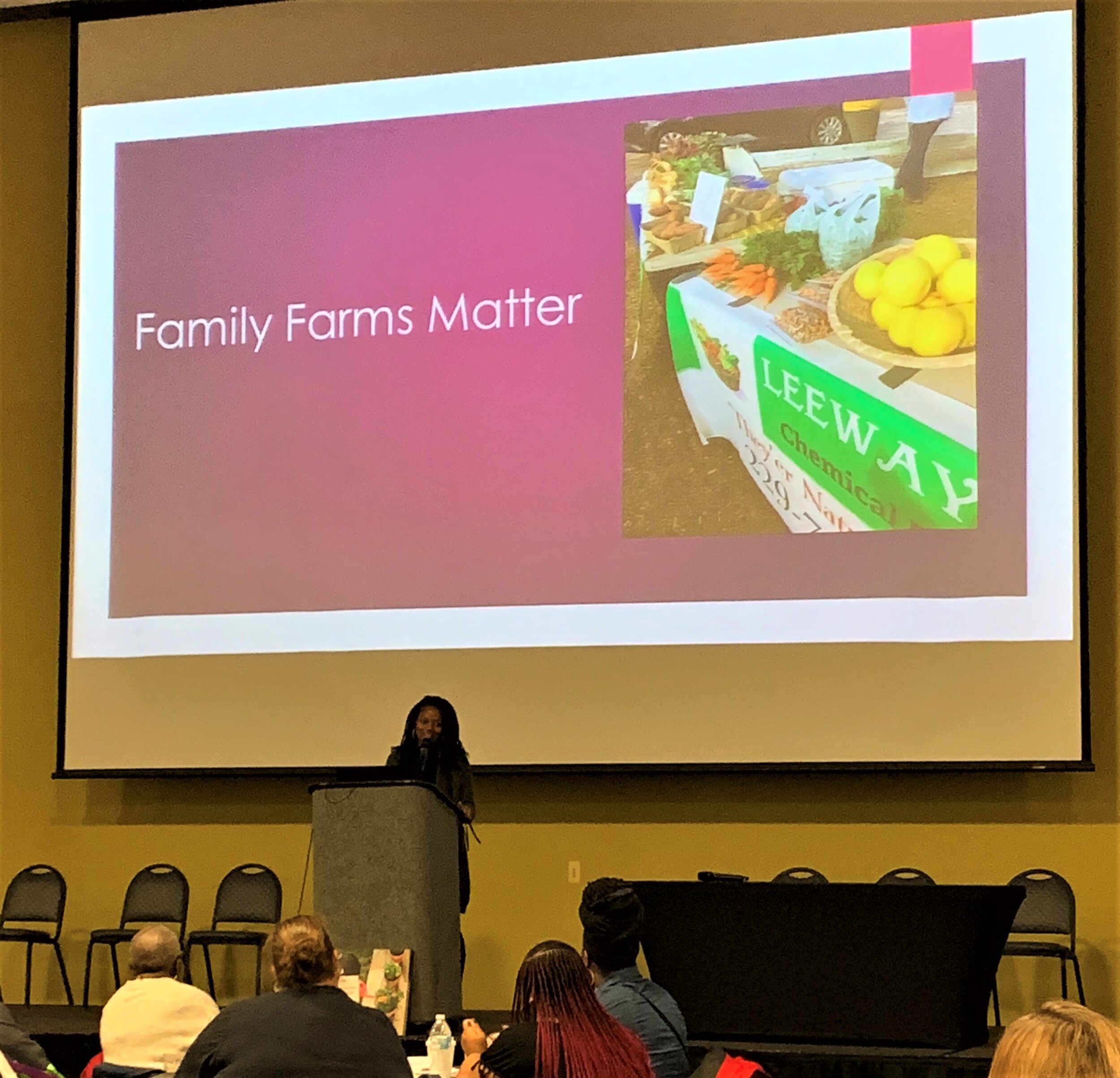
Amber Bell, Program Director at the Southwest Georgia Project, stopped by to speak about why Georgia family farms matter – for the economy, for the community, and for our health. Bell encouraged providers to consider their role in furthering equity work beyond the children and families they serve. Even small early care providers have the opportunity to make a difference by being conscious of who they are purchasing from and making the effort to support small farms and family business that help their communities thrive.

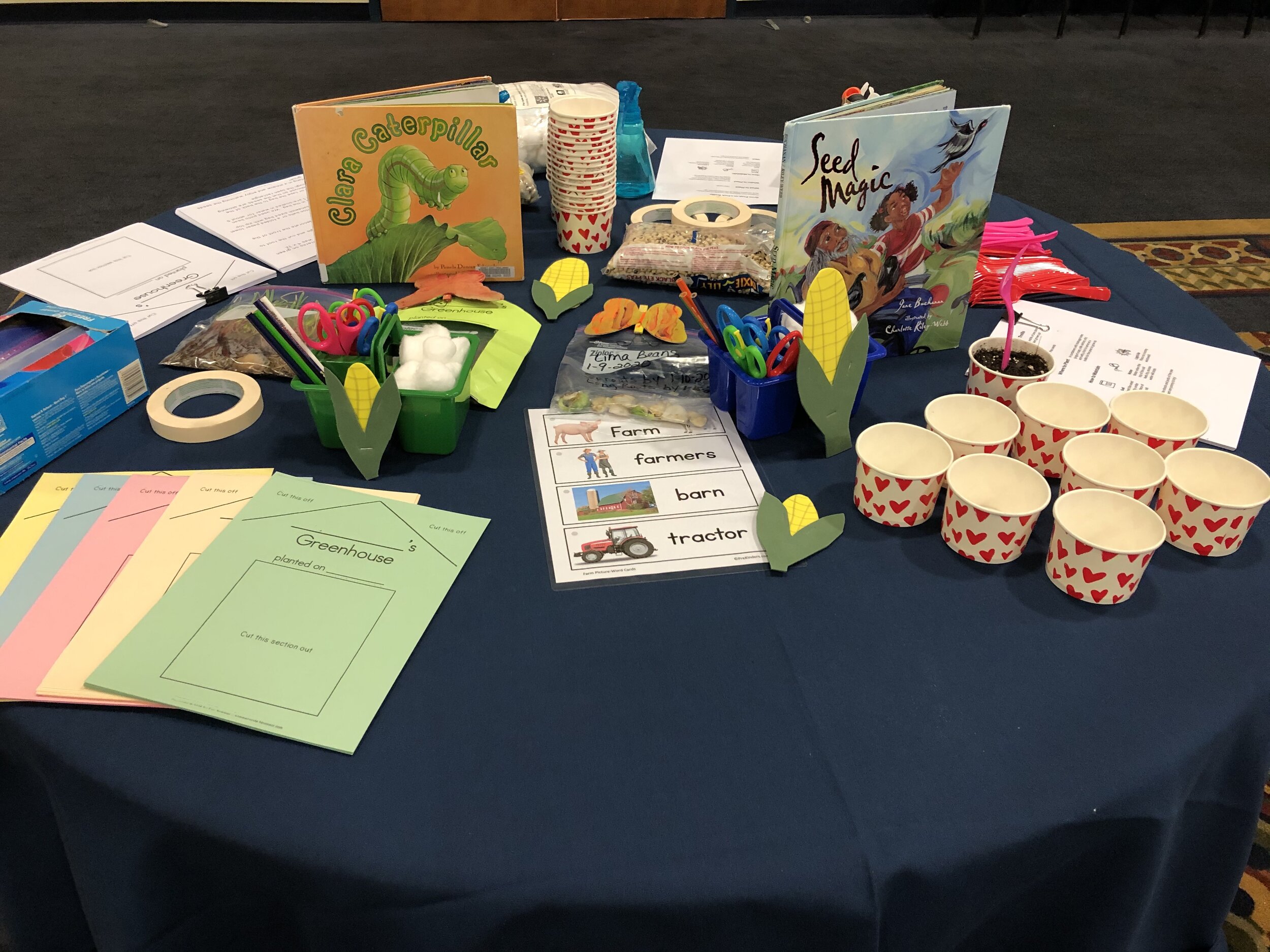
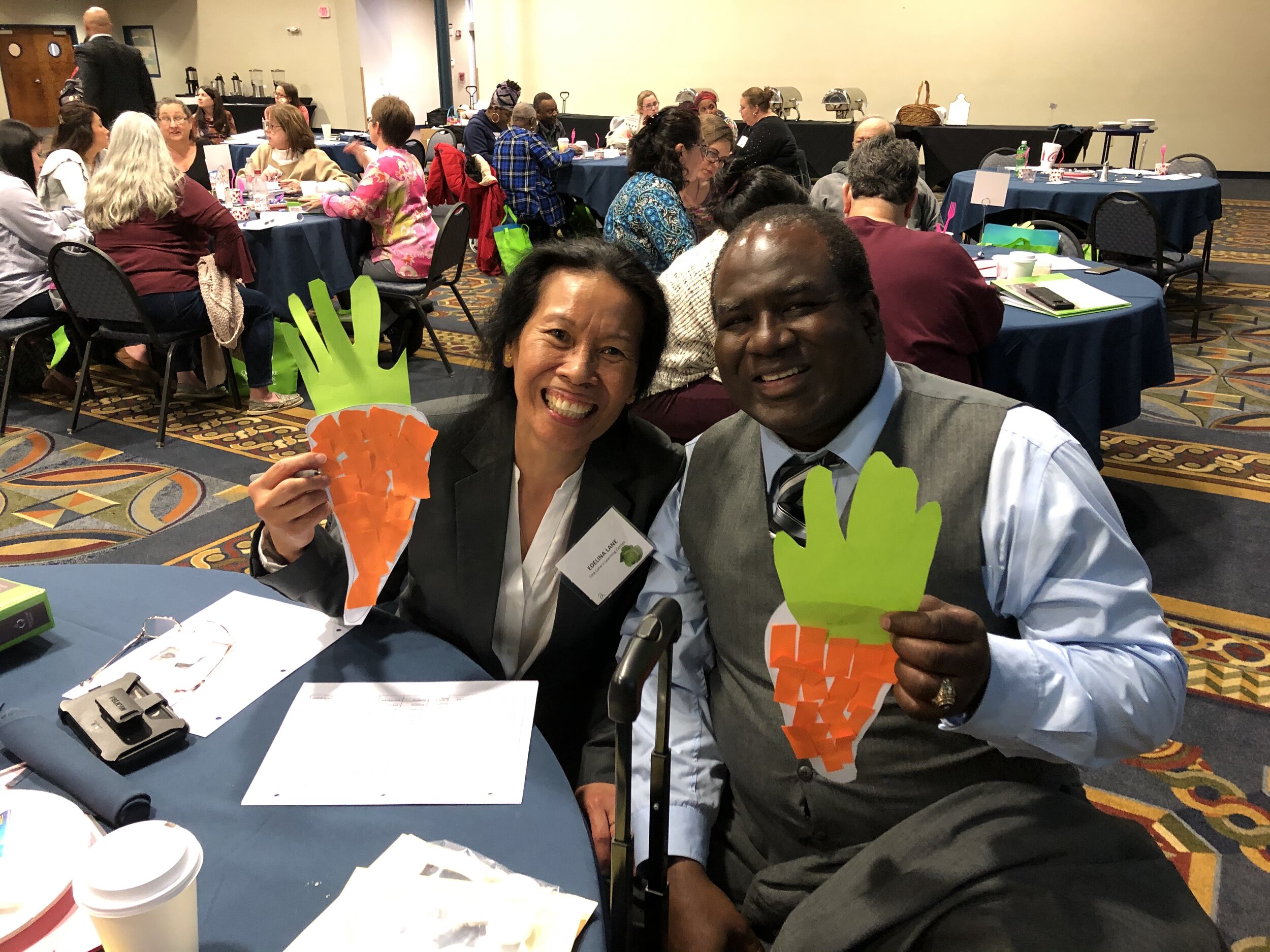
Attendees were able to actively participate in different examples of what Farm to ECE work looks like. Shannon Holbrook from QCC helped attendees craft mini greenhouses that teach children about germination. Kimberly Koogler of Georgia Organics covered sowing seeds and other gardening basics. William Wood of QCC utilized a mystery box to demonstrate hands on exploration and related curriculum from USDA’s Grow It, Like It, Try It Nutrition Education Kit. Attendees learned how to incorporate the arts in Farm to ECE from Gina Cook of QCC and got to take their carrot hands home to hang on the fridge.

Many attendees’ favorite part of the weekend was learning from Chef Asata Reid about cooking with kids. Reid demonstrated fun and safe ways to involve kids in the cooking process while making a simple salsa and shared other hands-on meal and snack activities that provide for a healthy meal pattern substitution. She also presented an unboxing of a Taste Test Box from Small Bites Adventure Club, all Learning Collaborative participants received four boxes to use at their sites.

Chef Asata Reid serving participants examples of easy and healthy snack alternatives.

Chef Asata Reid serving participants examples of easy and healthy snack alternatives.

During the weekend, Kim Jackson from Tee Tee’s Learning Center in Valdosta shared their site’s learning journey into Farm to ECE. Jackson had never gardened before receiving their mini grant two years ago. Now, they have large raised beds housed in bathtubs donated by Habitat for Humanity, fruit trees, and indoor garden containers. “To grow a love for gardening and see the kids fall in love with gardening became a passion in me,” Jackson explained. “And the more you get into it the more they will too.” Toyin Okunoren, owner of Little Ones Learning Center in Forest Park, also encouraged new Learning Collaborative sites to have faith in the power of Farm to ECE to generate incremental change in the lives of the children and families they serve.

The real work of the kick-off event involved sites completing an assessment of how they are currently incorporating nutrition best practices at their centers and creating an action plan for how they will grow their programs over the next 15 months. Learning Collaborative participants will continue to receive technical assistance and peer-to-peer mentorship to help them work towards their respective goals.

To learn more about Farm to Early Care and Education in Georgia and resources for your program, visit Georgia Organics’ Farm to ECE info here or email abbie@georgiaorganics.org.

2020-2021 Learning Collaborative Participants

A Kid's World, Loganville

Action Pact Ware County Head Start, Waycross

Childcare Network School #12, Valdosta

Cinthya' s Angels Group Day Care, Lawrenceville

Kimberly Spivey, Kathleen

Lina Lane's Learning Center, Ellenwood

Mrs. Dayana's Home Daycare, Alpharetta

My Little Geniuses, Marietta*

New Life Learning Center, Colquitt

Pre-K Preparatory Learning Academy Inc., Gainesville

Sandy's Sandbox, Macon

Teach "O" Rea Preparatory Preschool Incorporated, Stone Mountain

Tee Tee's Learning Center, Valdosta*

The Learning Tree Academy, Toccoa

The Roane School, Jonesboro*

*mentor sites

Alice Waters' Edible Schoolyard Lunch Brings Farm to School to Conference

AW_GO_FINAL_26_WEB (1).jpg

Story by Corinne Kocher

Photos by Bailey Garrot

Shared Plates

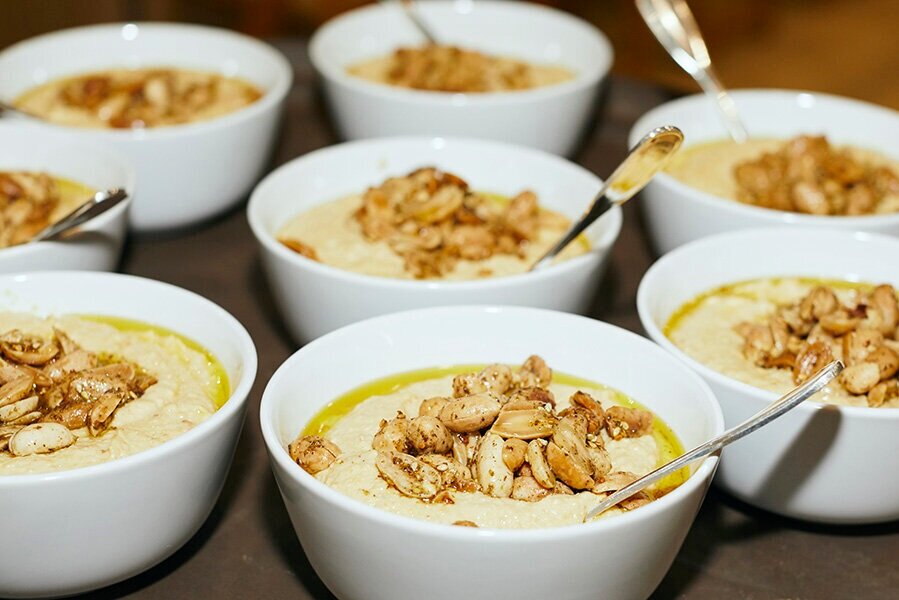
The "school cafeteria" came together quickly. The place settings weren't arranged; rather, stacked plates and piles of silverware were carefully placed in the center of the long, running tables. Seasonal February flower arrangements, sourced from 3 Porch Farm northeast of Athens, dotted the tables and flanked the edges of the room. Minutes before the doors were opened, bowls of peanut hummus and platters of turnips, carrots, and flatbread were spread along the tables.

At 12:45 p.m., the doors opened, and the largest Edible Schoolyard Project lunch ever put on by Chef Alice Waters and her team began. This lunch was an exciting addition to the Georgia Organics' annual Conference and Expo programming, at The Classic Center in Athens. 

Chefarmer Matthew Raiford, the Georgia Organics board member who had invited long-time friend Waters to the conference, worked in the kitchen with Chef Peter Dale of Athens' The National and other cooks. The menu was fun to work with, Raiford said, with Georgia Organics, local farmers, and the chefs coming together to make sure that "everything except for the salt and pepper came from within 150 miles of Athens.”

AW_GO_FINAL_21_WEB.jpg

With the chefs placing the finishing touches on the family-style plates, the lunch crowd filed in and found seats. The energy in the room was palpable as Alice Rolls, President and CEO of Georgia Organics, took to the stage to briefly introduce Alice Waters and The Edible Schoolyard Project.

"Interactive education is the best way to learn," said Rolls, "and that's what we're gonna do today.”

Waters, famed owner of Chez Panisse and founder of the Edible Schoolyard Project (ESP), took the stage recounting some of her favorite memories in Georgia. She told stories of Edna Lewis attempting to bring her cow to a Southern Foodways Alliance gathering to make biscuits with fresh cream, saying "that's my kind of purist, yes, but that's also my kind of determination."

She also spoke of President Jimmy Carter's work with Habitat for Humanity, recalling a shared visit to an elementary school in San Francisco, a "school-raising" to build a school garden and complete classroom makeovers over the course of a single day.

Although Waters is widely known for buying food directly from farmers for Chez Panisse's kitchen over the past 48 years, she brought the Edible Schoolyard Lunch to Georgia to present a different kind of a meal: a healthy, locally-sourced school lunch she envisioned for public schools.

With these school lunch demos, Waters "wanted to dispel the myths: that there's no time for kids to sit at a table to eat lunch, that is impossible to serve wholesome food. I wanted to show that for a great number of people eating together, it could be a civilized, nutritious, delicious experience, both in terms of the food and the aesthetics," she said.

Waters is promoting "school supported agriculture" with The Edible Schoolyard Project, an organization devoted to building the capacity of edible education programs in public schools through tools, resources, and trainings. Over the past 25 years, in work in Berkeley, California and around the country, The Edible Schoolyard Project has collaborated with teachers and created curriculum to show that "there is really no subject that you could not connect with food that you're serving in the cafeteria," Waters said.

"This initiative is also to give the real cost of food to farmers," Waters added. Supporting farmers was more important than ever, she explained, as regenerative organic farming was needed to address climate issues. A direct relationship with farmers "who are taking care of their land and their farm workers" allows for closed loop initiatives, like sending kitchen scraps back to the farmer to compost.

After her overview of Edible Schoolyard work, Alice changed gears. School lunch was becoming an academic subject, and attendees were going to get credit for eating it.

"Now I'm going to give you an assignment,” she started, starting to smile mischievously. "Our fast food culture does not believe that we can serve a huge group of 650 students in the cafeteria seated. So we're going to prove them wrong," Waters pledged.

Long tables were split into groups of eight, and individuals were tasked with different responsibilities, to be completely silently: setting the silverware, getting napkins, or grabbing lunch items like fritters, vegetables, or iced tea. The cafeteria started to murmur, but before anyone could move, Waters joyfully called out, "... and we're timing you. Go!"

The entire "cafeteria" was a flurry of movement, as groups moved quickly to accomplish assigned tasks. Attendees quietly laughed and smiled at one another as they gathered lunch components, some comparing it to being in school again.

Three minutes and 43 seconds later, Waters called time.

"You've beat all other lunches with twice the people!" she proudly announced. The crowd applauded, and to celebrate, the "students" eagerly dove into lunch.

The food was delicious, with reezy-peezy fritters served atop collard greens, cornbread and root vegetables on the side. Participants passed family-style platters of salad greens with Meyer lemon vinaigrette and finished off the peanut hummus.

AW_GO_FINAL_25_WEB.jpg

As attendees ate, many studied the placemats lining the table. The placemats, designed by The Edible Schoolyard team, beautifully displayed a map of Georgia and the farmers who participated in the lunch. “I want people to really feel like they were in time and place,” Waters said later. “This is February in the South, and this is what we could eat for a school lunch from (local farms).”

AW_GO_FINAL_28_WEB.jpg

Sarah Dasher, Schools Program Manager at the Wylde Center, a nonprofit that does environmental education in City Schools of Decatur and some Atlanta Public Schools, reflected on what she sees as powerful in ESP's focus on accessible edible education. "Schools are starting to see that this is something they need to do consistently every day, not on a weekly basis, in order to make an impact," Dasher said.

Paula Burke, an extension agent with University of Georgia in Carroll County, also expressed belief in the staying power of locally-sourced produce for a school lunch. "People used to think that this was just a trend that was going to go away—I don't think that's true at this point," she added.

As plates were cleared, Kimberly Della Donna, Georgia Organics’ Farm to School Director, introduced the next speaker: Georgia's State Nutrition Director and "Farm to School champion,” Dr. Linette Dodson.

Dodson described the efforts to serve 1.1 million kids a day in Georgia's schools. "We are the only state with a focus on an academic food program," she said. "It's not just the service of the meal, it's also food-based learning activities that can be done in the classroom that continue to expand student palettes.”

Dodson reflected on The Edible Schoolyard Project lunch, drawing connections to Breakfast in the Classroom, an expanding program in Georgia.

"When I see our students eating together during Breakfast in the Classroom, it models a community environment while maintaining nutrition and food safety standards," Dodson said. "It gives the students and the teacher an opportunity to start the day with the kind of community that I think we saw here this afternoon [with The Edible Schoolyard Project].”

"One of the reasons I wanted to bring Alice Waters here," Raiford later explained, "is our farm to school program that has been spearheaded with Georgia Organics and Georgia Grown. Georgia has one of the most amazing programs I've seen, and I think can be very easily modeled in other states."

As apple crisp with vanilla ice cream was brought to the long tables (to audible murmurs of excitement), Dodson surveyed the audience about how many people had eaten a school lunch in their district the last year. "I would like to encourage farmers, parents, and community members to visit and eat a school meal," she added. "Learn what is happening in your local school nutrition program and what is being served as part of your school meals. When you visit, ask how you can be a partner for supporting quality school meals in that district."

AW_GO_FINAL_29_WEB.jpg

Raiford, joining Waters on stage once the final plate was out of the kitchen, offered his own call to action.

"What city do you live in? What action can you take?" he asked, prompting farmers who had sold to schools to raise their hands. To the rest of the audience, he challenged, "Go back to your district, find out who's in charge at your schools—there is work that needs to be done."

To close out the lunch, Waters echoed Dodson’s and Raiford's advocacy for farm to school.

"And I know I'll never forget the reezy-peezy today," she said, hugging her friend Raiford as the audience laughed. "I call this a delicious revolution.”

Based on the applause, empty plates, and full stomachs, the students in the audience couldn't agree more.

Corinne Kocher and Bailey Garrot are the writer-photographer team behind Shared Plates, a blog exploring food in the world and how it gets to the table. Read all of their work at www.shared-plates.com and follow them on Instagram @sharedplatesatl.
AW_GO_FINAL_30_WEB (1).jpg

This Athens playlist will get you in the mood for Conference

DJ_Kountry (1).jpg

Story by Corinne Kocher

Photos by Bailey Garrot

Shared Plates

Any night of the week, you might see Jeremy Scott, otherwise known as DJ Kountry Boy, rocking out at one of Athens' many venues.

"Athens is a music town, it can be a launching pad," he says. "There's a lot of big names here, from folk rock bands all the way to hip hop artists.”

And there's no shortage of places to see these local musicians. "There are a lot of smaller and bigger venues, getting both local artists and mainstream national artists," Jeremy adds. "I feel like venues can never really be limited in Athens - there's people playing all over the city.”

Jeremy grew up in Athens and nearby Oglethorpe County. Coming from a musical background, playing the drums in bands all the way through high school, Jeremy found himself more and more interested in collecting music as he got older. 

His love of music led him to start DJing, and today, Jeremy fuses his taste for multiple musical genres at venues, parties, and concerts. This year, you can catch him everywhere from Athens' Wild Rumpus Halloween celebration to the Lil Baby Live @ Athens Fairgrounds show.

For out-of-town visitors (and even locals!) coming to Athens for the Georgia Organics conference February 7th-8th, looking to get a taste of the local Athens scene, Jeremy shared some of the best Athens venues for live music. 

And if you're looking to get in the Athens mood before you visit? Read on to see DJ Kountry Boy's top 8 artists to check out to create that perfect Athens playlist

5 Live Music Venues to Check Out in Athens

40 Watt Club 

"The 40 Watt Club is one of the most famous and iconic music venues in the world… The club has served as a music home base for many of Athens’ most beloved bands over the last 35 years, including R.E.M., the B-52’s, Pylon, Love Tractor, Vic Chesnutt, Olivia Tremor Control, Five Eight, Neutral Milk Hotel, Jucifer, Drive-By Truckers, of Montreal, The Whigs, Maserati, and more."

Hendershot's

"Local coffee shop, bar, and 150 seat music venue that features local, regional, and national acts 5-7 nights a week... also hosts a monthly Jazz Jam and a weekly open mic night"

Live Wire

"Here, you’re with the band… Our high energy space allows for an electric atmosphere unlike any other, with music genres ranging from rock, electronic, to epic instrumentals. We host all kinds of shows setting the stage for a stellar concert experience for musicians as well as music fans."

Georgia Theatre

"This theatre... has served as a significant performance venue for emerging and established musicians from Athens and beyond… Many prominent national and local acts across all genres have performed at the Theatre, including rock, folk, country, indie, alternative, hip hop and electronic."

Nowhere Bar

"Nowhere Bar, located in Downtown Athens across from Georgia Theatre, is an old dive the locals love to frequent. Athenians young and old gather here every night of the week to enjoy a game of pool, a beer and live music in the company of good friends."

8 Athens Artists to Start your Athens Playlist

L.G.: "Local hip hop force in his own right… early-’90s smooth-rap and R&B sound, nicely situating it apart from the rest of the scene" -- Flagpole

Oak House: "Dark tonalities with liberal rhythmic experimentation while featuring driving rock-riffage and pulsing electronic undercurrents. ... psych-tinged indie rock" -- The Earl

Pleasure Point: "Hazed-out hybrid of murky hip-hop, smooth funk, contorted pop and whatever else the threesome have discovered swirling around their proverbial kitchen sink" -- Immersive Atlanta

Wieuca: "Proven themselves adept at mining abstract gems out of hazy psych rock and glimmering pop… it’s the music’s underlying melancholy and palpable sense of dread that I find most compelling" -- Immersive Atlanta

Partials: “Blurs the lines between humanity and technology... A fusion of vastly different elements, Partials thrive on this dichotomy, an artistic liaison that perpetually surprises.” -- Clash Magazine

Squalle: "Easily one of the most conscious and aware hip-hop albums out of Athens this year, the record is true to that original blend of lyrics that are clearly audible with beats that recall classic R&B with an array of jazz flavors, mostly pulling from fusion and easy listening" -- Flagpole

Caulfield: Flagpole Award for best hip hop 2019, "Atlanta’s trap scene called, and Caulfield answered. The rapper has carved out his own space in Athens hip hop" -- Flagpole

DJ Kountry Boy: Enjoyed this playlist? See more from the Athens and Atlanta-based on Instagram [@djkountryboy] to find out where he'll be popping up next. 

Corinne Kocher and Bailey Garrot are the writer-photographer team behind Shared Plates, a blog exploring food in the world and how it gets to the table. Read all of their work at www.shared-plates.com and follow them on Instagram @sharedplatesatl.
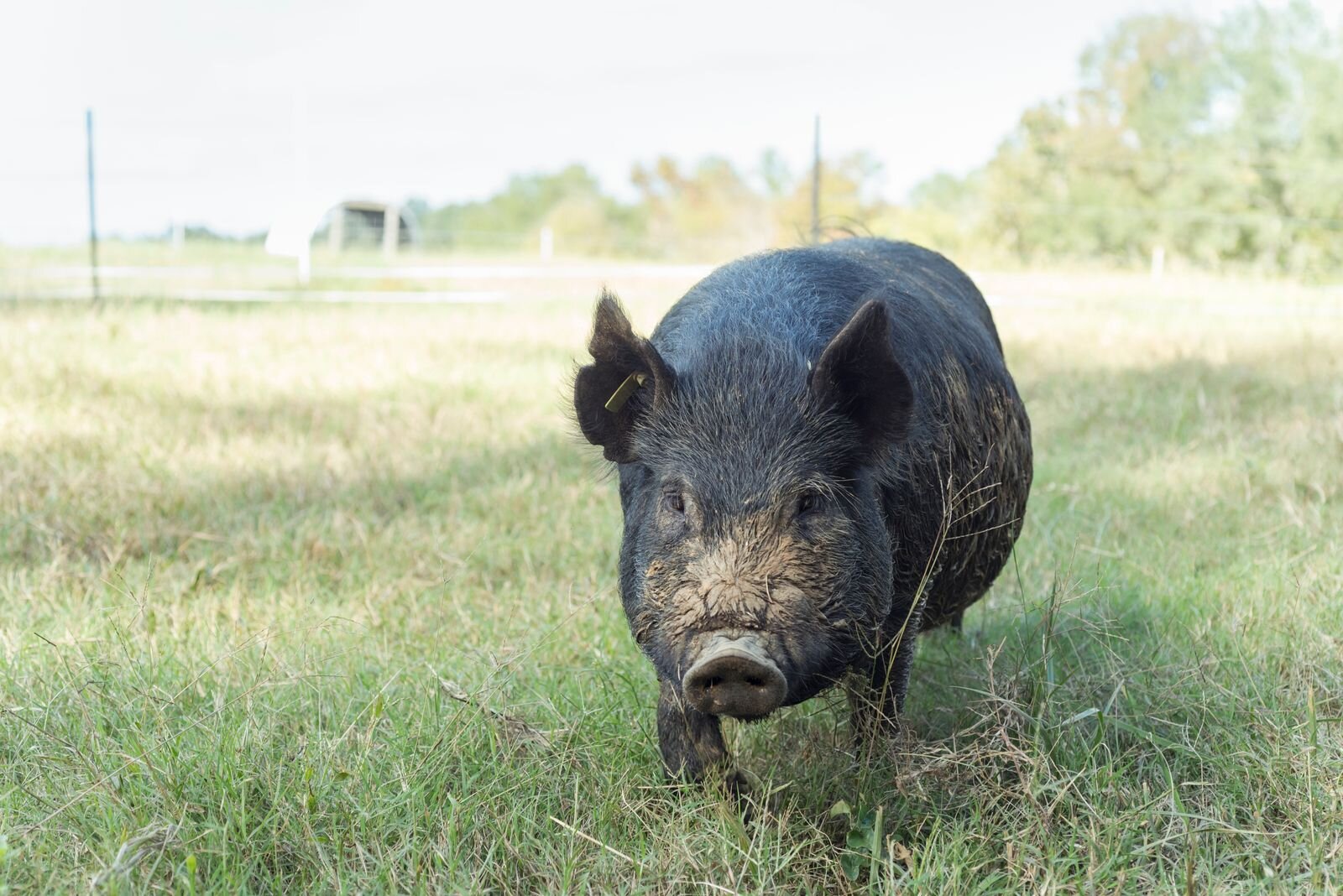
Payne and the Pigs

Cathy Payne Hog Photo Cred Gabi Rosenthal (1).jpeg
Photos by Gabi Rosenthal

Photos by Gabi Rosenthal

By Porter Mitchell

Cathy Payne lives on a quiet street near Athens, Georgia, lined with mature trees and yards with trimmed beds of roses. Cathy is middle aged with short, bright silver hair and a welcoming personality. Her enormous cat, Chico, spreads out in a sunny spot in her kitchen as Cathy pulls out her phone to show photos of a charcuterie board from the famous 5 and 10 restaurant downtown. The usual spread of cheese and gherkins are there, along with a cut of cured Guinea hog—it's a deep, bloody red with a half inch cap of fat running the length of the top.

“We always call the restaurant before we go to ask if they’re serving Guinea hog,” Cathy said. “They always just do a beautiful job with it.” 

Cathy beams as she explains the different preparations, 5 and 10 uses with the Guinea hog, and how the chefs rave about its rich and complex flavor.

She’s too modest to say it, but she knows she’s one of the reasons the breed still exists. She’s spent the past twenty years researching, breeding, and promoting the rare heritage pig. 

Heritage livestock are like heirloom vegetables—they are not hybrid crosses of two or more different varieties, and they retain the original genetics of their line. They often are better suited for a specific environment and are generally more disease resistant and hardy than their more widespread counterparts.  Heritage livestock breeds—whether goats, pigs, poultry, rabbits, donkeys, or cattle—have historical roots in the United States and cultural significance.

“Livestock are a part of our shared history,” notes Cathy. 

And as diseases threaten to wipe out genetically similar animals like the common Holstein dairy cow (nearly all of them are descended from one of two sires) genetic diversity is becoming an increasingly large part of the conversation around livestock.  

Cathy’s work in livestock conservation began on her small farm, Broad River Pastures, roughly twenty years ago. Cathy and her husband John moved to Elbert, Georgia in the early 2000’s to begin farming and homesteading.

“Back then we had a lot of heritage livestock—mostly rabbits, but Gulf Coast Native sheep too.” Cathy heard that someone in her county was getting a rare pig shipped from Texas, and she went to investigate. “I met my first Guinea hog boar—he was so docile, he was so gentle. I was already involved with heritage livestock, so the seed had already been planted.” 

Cathy was hooked.

She spent the next several years learning everything there was to know about the Guinea hog, which didn’t amount to much back then. The breed almost went extinct in the 1980’s as factory farming became the norm. These new and larger farms demanded breeds that grew to enormous size quickly. There simply was no room for a small, hardy, slow-growing pig in the new ultra-industrialized world of pork farming. 

In the early 90s, a 14-year-old girl took on showing the breed for a 4-H project and establishing the Guinea Hog Association, but it didn’t gain traction. There were a handful of small Guinea hog herds registered with the association, but they were too closely related to provide the necessary genetic diversity to bring the breed back from the brink of extinction  

Cathy sits in an enormous wooden chair in her cozy parlor. She chides her cat for trying to eat the aloe plant again and continues: “There were rumors that there were other herds throughout the southeast and in Indiana, but no one knew where they were.”  

Cathy began looking, spending years as a de facto private detective traveling around the country looking for the lost Guinea hog herds, coaxing farmers to sell her their stock, persuading breeders to register with the official Guinea hog group to get an accurate census, breeding the hogs on her farm, and keeping careful records to ensure genetic diversity. 

“I found a farmer in Mississippi whose family had Guinea hogs for four generations—back to 1900,” says Cathy about her travels around the country. “I struck up a relationship with the farmer and his son, and one day the son called me. He said, ‘Daddy is dying, he wants you to have some of his herd.’” Cathy took the pigs home and added them to her growing herd, ensuring the lineage that had been in this farmers’ family for so long could continue. 

When asked about the pig’s name, Cathy explains patiently that no one really knows why they’re called Guinea hogs. She’s been asked this question over and over again. “Sometimes the word ‘Guinea’ was used as a diminutive to mean small, or the breed might have ties to Guinea in West Africa.” 

The Guinea pig is relatively small for a hog, topping out at roughly three hundred pounds. They have black skin and coarse black hair with a long snout, distinctive round cheeks, and triangular upright ears.  

“They were a poor man’s pig,” notes Cathy. “They could be raised in a smaller area and could forage most of their food.” Poor farmers and sharecroppers raised Guinea hogs throughout the South beginning roughly around the time of the Civil War through the mid 20th century. 

They relied on the pig’s meat for food and its thick layer of fatback to grease their machines and provide much needed extra calories after a long day of backbreaking work. Unlike commercially raised breeds, Guinea hogs have a strong instinct to forage—they'll find small plants, grass, tubers, acorns, nuts, and even snakes and rodents to eat. “They need roughly a fifth of the food that other breeds need,” says Cathy. “They’re a thrifty pig.” This, combined with their smaller size and docile temperament made them the perfect pig for poor farmers. The pigs were independent enough to find most of their food, but gentle enough to be handled without risking serious injury from a boar’s bite.  

Thanks in part to Cathy’s efforts, the Guinea hog has seen a surge in popularity amongst the homesteading community. The very qualities that made them a perfect pig for small Southern farmers make them perfect for today’s homesteaders as well. The Thrifty Homesteader, a popular website in the homesteading world, heralds it as “the ultimate homestead hog” with its small size, strong foraging skills, and docile personality.  

Cathy wrote the book on Guinea hogs, literally. She pulled out a copy of “Saving the Guinea Hogs: The Recovery of an American Homestead Breed,” the first written history of the breed and a practical guide to preserving heritage livestock.  

“We preserve our national forests, we preserve our historic buildings, and we should preserve our animals,” she explains. “Livestock are an integral part of our cultural history.” 

Check out Cathy’s book, “Saving the Guinea Hogs: The Recovery of an American Homestead Breed.” 

Learn more about the work of the Livestock Conservancy and heritage breeds by visiting their website.  

Porter Mitchell is Georgia Organics’ Farmer Services Coordinator. She can be reached at porter@georgiarganics.org.

"Embrace the Slime": Chris Smith's Okra Trials

Credit to Belle Crawford

Credit to Belle Crawford

Cover_WholeOkra_ChelseaGreen.jpg

By Corinne Kocher, Shared Plates

Chris Smith's book, The Whole Okra: A Seed to Stem Celebration, released June 2019, was only the beginning of his "ongoing okra journey.”

With Asheville-based nonprofit Sow True Seed facilitating the formation of The Utopian Seed Project, Smith explored the plant's vast varietal potential with 76 trial varieties of okra for the book. He has completed an additional 50 trials (and growing) since. 

"I feel like this might be okra's time," says Smith, a reluctantly-titled "expert enthusiast.”

He relates that his crop variety trials have not only helped him market and differentiate what he grows, but they have also allowed him to explore the wider food system. His experiments are fueled by a belief in both the rise of smaller producers, as well as the growing impact of climate change on farming. 

"I firmly believe we're going to find southern farmers returning to traditional southern crops," he says. "We've got to look to crops that thrive here, and in these conditions. Okra is drought tolerant, disease resistant, and highly nutritious… And on some level, the entire plant is useful.”

By exploring culinary applications and  organizing chef-centered okra taste tests, Smith aims to expand the narrow idea most people have of okra.

Lauren Cox, organic procurement coordinator for Georgia Organics' new Farm to Restaurant program, works to expand growers' markets as well. "I think that just the act of thinking about ways people can use and relate to food as the grower leads to creating a connection to your customer," she says. "It asks the farmer to put themselves in someone else’s shoes and I believe that ultimately, the power lies in the customer feeling that.”

"I would suggest that if a farmer is going to try a new variety or product, they should focus on the flavor of what they’re growing. Does it taste good? Does it tell a story?" asks Cox.

"Being open minded about what is a marketable crop, or what part of a crop is marketable, allows farmers to get creative," says Smith. "And we're at a point where customers are receptive to that.”

In his "Whole Okra" session, aimed toward both growers and chefs, Smith will expand on the value of pushing the boundaries of the stories we tell about certain plants. "Both farmers and chefs are so important to changing the food system," he adds.

Smith will be speaking on a second session, "Seed Saving and Seed Preservation,” which will teach the basics of seed saving for backyard gardeners to farmers.

"There's a perceived complication to it - but is very important that you save your seed, and it's very achievable," says Smith. "The aim is to have people walk away thinking "oh yeah - I can definitely save seeds.”

Smith's love and obsession with okra isn't ending with the publication of his book. Championing okra because "it needs a helping hand in this cruel world full of people who think it’s too slimy", Smith continues to experiment with different varieties and preparations of the plant.

"I've seen more and more people using okra creatively, and enjoying it," said Smith, laughing.

"My next t-shirt is going to say 'embrace the slime'.”

Need to Know:

Chris Smith will be presenting on two sessions at the Georgia Organics Conference.

Traditions Track, Session III (Saturday, 2/8): Seed Saving and Seed Preservation

Traditions Track, Session IV (Saturday, 2/8): The Whole Okra: A Seed to Stem Celebration

Corinne Kocher and Bailey Garrot are the writer-photographer team behind Shared Plates, a blog exploring food in the world and how it gets to the table. Read all of their work at www.shared-plates.com and follow them on Instagram @sharedplatesatl.
Amplifying the Sheats' Farm Restoration Project

Sheats_Farm_GA_O_3.jpg

Story by Corinne Kocher

Photos by Bailey Garrot

Shared Plates

Mike and Shyretha Sheats, the couple behind the multi-faceted The Plate Sale, spend their time juggling pop-ups, taking care of their 3-year-old daughter Luna, and working in Athens restaurants.

In recent months, they've added sanding floors to their list, working to update Shyretha's grandmother's home and farm.

The 12-acre Farm Restoration Project, located in Oglethorpe county (east of Athens), includes an old chicken yard, smokehouse, and heaps of wild plums, bamboo, and shiso. Shyretha's grandmother had lived on the property until she passed away in 2012.

Shyretha, who grew up on the property just next door, saw it as an opportunity to build on the hard work her grandmother had done. "The least we could do is come back and keep it up," adds Mike. 

"When you have that opportunity to restore something that's been in your family, everyone in this community is in good support of that," says Paul Sorah, farmer at Hearts of Harvest and member of the Athens Land Trust, who has advised the Sheats around the navigation of beginning farmer challenges.

As of October 2019, the Sheats have acquired their first cover crop, rye, in a pasture they plan to plant in the late spring. They're thinking about starting with crops like peas, beans, and leafy greens, in addition to cut flowers and herbs, to continue conditioning the soil. With combined experience in the culinary and agriculture world, as well as support from mentors in Atlanta and Athens, the Sheats aim to one day provide employment and housing on the farm.

The couple is embracing land ownership, and planning on running a business collective off of the farm. Showing us an aerial photo of the farm taken in the 1990s, Shyretha calls it "the blueprint.”

"Right now, the property is mostly overgrown," Shyretha said. "We have a vision for the project as a whole, but it's a process.”

Their goals are wide-ranging: "We want to grow things that are bountiful, that we can extend to the neighborhood," in a CSA or pay-what-you-can model, says Shyretha. Longer-term projects also include growing ginger for a ginger concentrate beverage, adding high tunnels, and, of course, a future brick-and-mortar restaurant.

With all their projects, the Sheats have the support of the local food community. "Down here, we're pretty tapped into the importance of local food systems," Sorah said. "Small farms are the backbone of the future of sustaining accessible food for communities. We all support each other, because we understand that we're much stronger as a collective together.”

The Sheats are well aware of their role in today's conversation. Nationally, the USDA reports that black farmers made up 1.4 percent of the country’s 3.2 million farmers in 2012. The same study reports that in Georgia, black farmers make up 4 percent of the state's total farmers.

"Here, our family could keep the land and build off of what has been done for 40-60 years," says Mike. Gesturing to Luna, playing nearby, he adds, "and we can pass it on to someone else - creating generational wealth.”

Mike is also interested in the using the land to showcase the food from this particular region. "Most of the spotlight on southern food is about low country cuisine or Appalachian food," he says, but "the Georgia woods are a totally different environment.”

The Sheats are aiming to secure a location for their restaurant by the end of 2020, as well as leasing out agricultural space on the farm. Currently, they're staying busy with opportunities networking for resources, sponsorships, and funding.

As members of the host committee for the Georgia Organics 2020 Conference & Expo in Athens, Mike and Shyretha are looking forward to the networking at the conference, connecting with progressive farmers to talk about the future of farming. 

"We're discussing how we can contribute, how to we fit in the scope of farming," Mike said. “It's about preservation, but it's about amplifying as well. It's making a statement, and using this as a voice to then tell the stories that we want to keep going.”

Corinne Kocher and Bailey Garrot are the writer-photographer team behind Shared Plates, a blog exploring food in the world and how it gets to the table. Read all of their work at www.shared-plates.com and follow them on Instagram @sharedplatesatl.
Organic farming's biggest challenge tackled in UGA's "Biology of Weeds" conference session

Dr.basinger_DP (1).jpg

Story by Corinne Kocher

Photos by Bailey Garrot

Shared Plates

"The climate here in Georgia makes weeds and weed management one of our toughest production challenges," says Michael Wall, Director of Farmer Services at Georgia Organics.

Dr. Nick Basinger, Assistant Professor of Weed Science in UGA's Department of Crop and Soil Sciences, knows this challenge well - and he's ready to speak about it during his session, "Know Your Enemy: The Biology of Weeds" at the Georgia Organics Conference. 

With a background in the organic and biodynamic world, as well as years of research at North Carolina State and University of Georgia, Basinger has seen firsthand how much time these farms spent battling weeds.

"Growers have a lot on their plate in terms of production challenges, but for many organic growers, weeds are their biggest problem," says Basinger. "It's important to understand when to implement weed control practices, and the potential losses they could have if they don't.”

Basinger says that the timing of the Georgia Organics Conference is perfect for this discussion.

"Come February, farmers are going into a critical time of the year," he says. "If farmers can have weed control as part of their plan of action, they can essentially start with a cleaner field before some of the more challenging times later in their season.”

Basinger's approach prioritizes understanding the ecological factors behind why certain weeds are located where they are in the field. "Don't stick a bandaid on it and say we're going to cultivate these out - instead, get to the root of the problem," he explains.

Using timed tillage or planting, based on when weeds sprout, can have "a huge impact in the amount of weed control farmers have to implement," says Basinger. It's all about protecting crops when they are most vulnerable.

"A big focus of my program is talking about integrated weed management," says Basinger. "It's analyzing all the different 'little hammer' management practices to get to an integrated approach". This includes integrating controllable factors (row spacing, planting day, seeding rate) and uncontrollable factors (rainfall, temperature) to manage weeds most effectively.

Michael Wall agrees that this sort of advance planning. "Understanding more about the biology of weeds, when and how they will seed out and spread, can allow our growers to be much more proactive, and can let them deal with their weed problems before they get out of hand.”

"It's important to have an understanding of what weeds are going to be problematic when, and which weeds are the most competitive," says Basinger. To help farmers work on their weed identification, the first step toward understanding plant biology, Basinger will also bring resources from books to weed ID apps.

For the farmers who struggled with weeds last year, Basinger advises them to stay two steps ahead this year. "Weeds are pre-programmed to come up at a certain time, persist, and go to seed at a certain time," he adds. "But if you can understand their biology, you can understand what their Achilles Heel is.”

Need to Know: UGA Professor Nick Basinger will be presenting "Know Your Enemy: The Biology of Weeds" as the first session of Saturday's (2/8) Advanced Growers Track.

Corinne Kocher and Bailey Garrot are the writer-photographer team behind Shared Plates, a blog exploring food in the world and how it gets to the table. Read all of their work at www.shared-plates.com and follow them on Instagram @sharedplatesatl.

Long-Term Hoop House Research at Woodland Gardens

HighTunnel_GA_O_3 (1).jpg

Story by Corinne Kocher

Photos by Bailey Garrot

Shared Plates

Celia Barss, owner of Woodland Gardens, a 12+ acre organic farm just outside of Athens in Winterville, Georgia, know the benefits and weaknesses of hoop houses firsthand.

With about an acre and a half of hoop houses, the oldest one at the 15-year mark, Barss recounts how her hoop houses started to suffer a decline in production, due to pest and disease pressure, around year ten.

One of the prime issues in Barss' hoop houses, which is common with most growers, is root knot nematodes, parasites that build up to large numbers in the beds and destroy root systems. "Everyone will end up having problems with it, because they're present in our soil - it's a matter of time," says Barss.

"Our hoop houses have been here for a long time, so we're seeing more of the problems," she adds.

Dr. Elizabeth Little, extension plant pathologist and associate professor with University of Georgia, has been working with Barss and Woodland Gardens for over seven years, and she backs up the grower's assessment.

"It's not just with Celia's - hoop houses are valuable territory," Little says. "They tend to be used extensively, and growers don't always do the same cover crops and long-term rotations that they do in the fields.”

"Most of the small, local, organic producers have at least one hoop house," adds Little. "But, they don't really come with instructions," she jokes. 

Little is evaluating different best management practices to keep issues like nematodes at bay, including cover crop rotations, non-host rotations, soil solarization in the summer, and different soil inputs. 

"There are challenges with the research. You can prove something and have results - but is it something that will work with the grower?", says Barss.

According to Barss, because many growers get their first hoop houses through NRCS grants, this is an important issue for everyone. For growers with only a few houses who will want to push production, "you invest a lot in these hoop houses, so you need to get production out of them and stabilize farm income," she adds.

Barss' moveable hoop houses don't experience the same level of nematodes issues, because the soil isn't being as used as intensely. As for her old hoop houses, "I'm not using them as intensively as I used to, and in my newer houses, I'm not pushing it as much," says Barss. "We're still having success, enough of a return… but we have to negotiate and manage the problem.”

Barss and Little will be sharing best preventative management practices that have come out of research and trials at their "Advanced Hoop House Soil Management" session at the Georgia Organics conference.

"Growers often aren't aware of soil-borne problems that build for quite a while," says Little. "It can help raise their awareness of potential issues, so they can take preventative measures as needed.”

On farm research is always a challenge, says Little, but "there's a need for more research on what works in organics in Georgia". But in partnering with Barss, Little can work to replicate results, providing critical research that is based on years-long, long-term trials. This research, says Barss, is about meeting the growers' needs, whether they are "new farmers or farmers eight years in."

Need to Know

Advanced Growers Track, Session II: Advanced Hoop House Soil Management 

(Celia Barss, Woodland Gardens; Dr. Elizabeth Little, UGA Associate Professor and Extension Plant Pathologist)

Corinne Kocher and Bailey Garrot are the writer-photographer team behind Shared Plates, a blog exploring food in the world and how it gets to the table. Read all of their work at www.shared-plates.com and follow them on Instagram @sharedplatesatl.

Regenerative ag research growing in Georgia: Rodale's Regional Resource Center

Dr. Andrew Smith, Rodale Institute

Dr. Andrew Smith, Rodale Institute

Story by Corinne Kocher

Photos by Bailey Garrot

Shared Plates

The South saw the most growth in organic farming from 2011-2016, and the Rodale Institute is looking to contribute to that expansion - through providing scientific research, economic models, and educational outreach at a Regional Resource Center (RRC), about an hour outside Atlanta in Chattahoochee Hills.

"There's some data to show that areas that have research and education tend to have a higher concentration of organic farmers," says Andrew Smith, PhD and Chief Scientist at Rodale. "We're hoping to use this center to spark a movement and start to expand the amount of organic farmers in the region.”

The RRC is located on the site of Rebecca and Ross Williams' Many Fold Farm, land formerly used for cheesemaking that also includes pasture-based livestock and forest. While the research site is starting on a small footprint of the 300+ acre farm, over time, Smith is hoping to expand. 

Georgia Organics Board Member Rebecca Williams is on the RRC board, helping facilitate some development work, and is excited to see what the RRC can do in the region.

"This RRC is so important because it will offer southern farmers the opportunity to see organic and regenerative agriculture from the farmer's perspective," says Williams. "It will provide answers for farmers to the real questions they have... questions southern farmers want answers to before they make a change."

Aiming to focus on vegetable production from the beginning, Rodale also hopes to take advantage of the farm's already-existing setup for grazing sheep to study the impact of integrated crop and grazing systems on soil health ."Rodale prioritizes long-term systems trials," says Smith. "Anything we do at Rodale, it has a focus on long-term soil health and regenerative agriculture.”

Things are underway at the center, starting with breaking ground on fields identified for research. Rodale is also prioritizing hiring someone from the southeast to design research that fits the warmer temperatures and higher rainfall of the region.

"Research done by the RRC in southern soils, in a southern climate, from within the specifics of the cultural and economic realities of the region will provide real support that will allow regenerative organics to take root here," says Williams. "I am excited to see new methods and techniques that can be used here in this region.”

With all of Rodale's activities in Georgia, Smith will be presenting at the Georgia Organics conference. Smith will be speaking about Regenerative Organic Certification labeling, for which he has helped with the soil testing standard. Smith is also particularly excited about his session "about the science behind the principles of what we call Regenerative Organic Agriculture", one of his areas of expertise. 

"The session could resonate with existing farmers, and also new farmers who are maybe thinking about organic for the first time and are planning the changes they might want to put on their farm," says Smith. "The farmers that I've met that are the most successful are lifelong learners," says Smith. "And it doesn't just have to be from a book - there's scientists, there's other farmers, there's people in the industry."  

"The more I get know farmers, the more I'm blown away by the amount of knowledge that they have, and the amount of learning that they continue to do." And with Rodale's new regional resource center, farmers in Georgia will have even more opportunity to learn and teach within their community.

Need to Know: Dr. Andrew Smith will be presenting at two sessions during the Georgia Organics Conference.

Afternoon Workshop (Friday 2/7): Really Really Organic: the Next Generation of Labels (along with Johana Mirenda, Organic Trade Association and Linley Dixon, Real Organic Project)

Forward Farming Track, Session IV (Saturday 2/8): Principles of Regenerative Agriculture

Corinne Kocher and Bailey Garrot are the writer-photographer team behind Shared Plates, a blog exploring food in the world and how it gets to the table. Read all of their work at www.shared-plates.com and follow them on Instagram @sharedplatesatl.

Black Farmer Prosperity Track focuses on ideas of abundance

sed.jpg

Story by Corinne Kocher

Shared Plates

Matthew Raiford encapsulates his wide-ranging background by calling himself a "chefarmer", a mashup of the two different hats he wears.

Raiford is a farmer at Gilliard Farms, a multi-generational family farm he runs with his sister Althea. Having participated in the Georgia Organics conference since 2010, Raiford has used his background as a chef to serve as the chef coordinator for Jekyll Island's Farmers Dinner, work with the farm-to-school team, and serve as a member of the Georgia Organics board.

Chefarmer Matthew Raiford of Brunswick is a farmer at Gilliard Farms and a member of the Georgia Organics Board of Directors.

Chefarmer Matthew Raiford of Brunswick is a farmer at Gilliard Farms and a member of the Georgia Organics Board of Directors.

This year, Chefarmer Raiford helped shape the 2020 Georgia Organics conference "Black Farmer Prosperity" track through conversations with Georgia Organics staff with funding for Chefarmer Raiford helped shape the 2020 Georgia Organics conference Black Farmer Prosperity Track with a committed group of farmers and Georgia Organics staff along with funding for the track being provided by Southern SARE (Sustainable Agriculture Research & Education), which was championed by Brennan Washington, Southeastern Outreach Coordinator and 1890 Land Grant Liaison for Southern SARE.

"We were asking, 'how do we create a track that is about honoring - the ancestors, the people currently farming, and the folks who aren't even here yet?'" says Raiford.

Raiford will be speaking as part of the Black Farmer Prosperity track, in a session titled "Collards Aren't the New Kale". Raiford and his partner, Jovan Sage, will discuss African foodways in Southern Cuisine, and how to "authentically market your traditional crops, and stand your ground in the face of market and cultural pressures to change who you are and where you are from.”

Rodney Brooks, USDA Farm Service Agency Beginning Farmer and Rancher Coordinator, will also be speaking as part of the Black Farmer Prosperity track. With an extensive background as a Farm Loan Officer, he is based in SW Georgia but has been addressing beginner farmer and rancher issues around the entire state since 2016.

At the conference, Brooks will primarily focus on the FSA's Direct Loan program, which lends funds directly to farmers and ranchers, as well as the FSA's Guaranteed Loan program.

"At FSA, we consider ourselves to be the 'Lender of First Opportunity'," says Brooks. "If a farmer or rancher’s financial position isn’t good enough to secure credit from conventional sources, we’re here to give them a start.”

Having been a lender for over a decade, Brooks will be a helpful resource at the 2020 Georgia Organics Conference. "I can answer questions with clarity using my knowledge of our handbooks and regulations as well as my firsthand experience," he adds.

When speaking about the Black Farmer Prosperity track, Raiford emphasizes the key word: prosperity. "I don't think that, on a bigger scale, we've ever had a conversation about the idea of prosperity at the conference," he says. "It's time.”

Conference-goers are going to walk away from this track with a new thought process on what prosperity really means, says Raiford. "It's about abundance - that we should be making money, not just working within the margins," he adds. 

Brooks sees funding as fundamentally tied to the idea of "prosperity", because it allows a farmer or rancher to enter the business world and turn a profit. "Profitability leads to increased equity and wealth building, and, in turn, prosperity," he says. 

"Prosperity is important build a family legacy or even maintain a family legacy. Family farmers make up the majority of farmers in this country," adds Brooks, "and we want to make sure they’re still around for generations to come".  

Raiford, too, looks at prosperity in the long term, rather than how much money is in your wallet. "Prosperity is building up the fertility in healthy soil, creating nutrient dense food, and feeding our families with a kitchen garden - and then have such an abundance that we can sell," he says. "At that point, you're really prosperous".

To Raiford, the conversation can lead to a different mindset on what prosperity actually looks like, with an emphasis on network and community.

"It's what Georgia Organics has become - a collective of farmers, of all kinds of backgrounds, coming together and trying to figure out how to make this thing work". To Raiford, "this is how I see prosperity happen". 

Need to Know:

The full Black Farmer Prosperity Track is as follows:

Session I: Funding your Farm: Understanding FSA Loans, Community Banking, and Non-Traditional Options 

(with Rodney Brooks, USDA Farm Service Agency Beginning Farmer and Rancher Coordinator; Donna Nuccio, The Reinvestment Fund)

Session II: Collards Aren’t the New Kale  

(Matthew Raiford, chefarmer, Gilliard Farms; Jovan Sage, culinary historian)

Session III: Black Farmer Prosperity in Action

(Ricky Dollison, Warrior Creek Farm; Ron Simmons, Master Blend Family Farms)

Session IV: Cooperative Principles and Black Farmer Strength

(Eric Simpson, New Eden Farms, and West Georgia Farmers Cooperative)

Corinne Kocher and Bailey Garrot are the writer-photographer team behind Shared Plates, a blog exploring food in the world and how it gets to the table. Read all of their work at www.shared-plates.com and follow them on Instagram @sharedplatesatl.
Happy New Year! Have you had your Hoppin' John yet?

Photo courtesy of Garden & Gun

Photo courtesy of Garden & Gun

Many families will sit down to a New Year's meal on the first day of 2020 with the hopes of prosperity and renewal for the coming year. Thanks to Georgia Organics’ Farm to Restaurant program and their group of amazing farmers, Georgians and those in surrounding areas will have the opportunity to use fresh, local produce to create the quintessential combination of greens, black-eyed peas, and cornbread for the popular New Year’s dish known as Hoppin’ John.

While New Year’s Day dishes might vary depending on the region of the country, one thing that everyone can agree on is that the meal is meant to nourish the soul while feeling hopeful about the future. Hearty winter greens such as collards and a side of cornbread, possibly representing gold, are often paired with the soul-soothing rice and peas combination known as Hoppin’ John.

Hoppin’ John can be first traced back to the low country areas of South Carolina, where rice grew well in the marshy river deltas. Soon, the popularity of the dish spread throughout the entire area of the South. Even further back, hoppin’ John has evolved through the many bean-and-rice meals consumed by enslaved West Africans headed to the Americas. Many versions of this savory dish have been produced, from Cuba to the Caribbean and of course, the American South.

Steven Satterfield, chef and co-owner of Miller Union in Atlanta and a Farmer Champion chef, talks about the history of one of the most popular food items on New Year’s Day in his book “Root to Leaf: A Southern Cook Through the Seasons.”  

“Throughout the South, Hoppin’ John and collard greens are served together on New Year’s Day to ensure good luck and fortune for the coming year,” Steven writes. “The peas represent coins and the greens, dollar bills. Hoppin’ John is a mixture of peas and rice believed to have originated during the mid-1800s in the coastal plains of the Southeast. The black-eyed pea is more commonly seen now, but the red pea was the true original in this historic mixture.”

If you don’t have a copy of “Root to Leaf,” or your own recipe, here’s an excellent Hoppin’ John recipe from Garden & Gun’s “The Southerner’s Cookbook” for you to try.

Many farms participating in the Georgia Organics Farm to Restaurant Campaign offer produce perfect for the New Year’s Day meal: 

West Georgia Farmers Cooperative (West Point- The Common Market GA)

  • Collards

  • Hot peppers

Truly Living Well (Atlanta- Freedom Farmers Market)

  • Collards

  • Hot peppers

Narrow Way Farm (McDonough)

  • Collards

New Eden Ecosystem (West Point - The Common Market GA)

  • Collards

  • Hot peppers

Also look for seasonal bounty at these farms: 

Brown’s Place (Augusta)

Adderson’s Fresh Produce (Augusta)